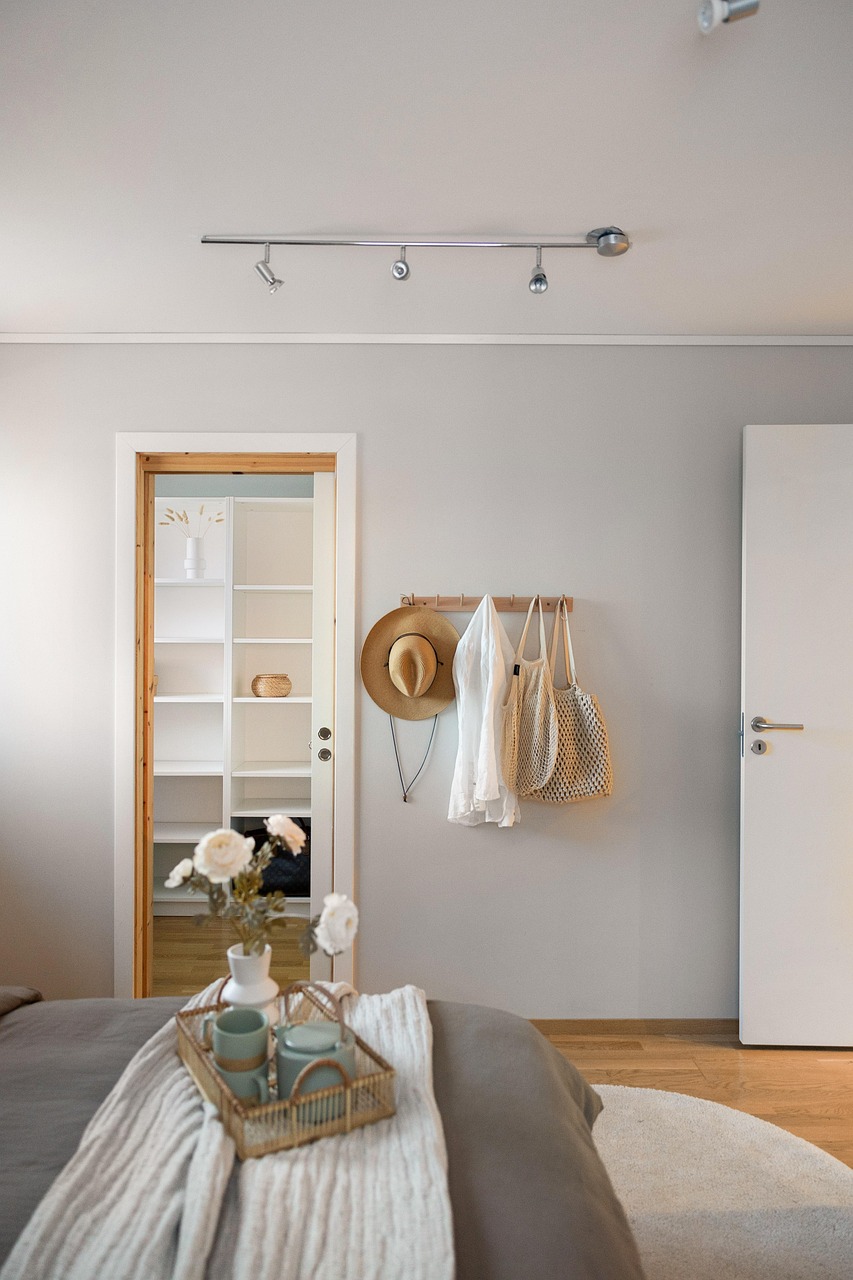
There is a reason sage green turns up in almost every bedroom that gets described as restful. It is a green with gray folded into it, which takes away the freshness of a leaf green and leaves something much quieter — a color that reads as a soft neutral from across the room but still has enough pigment to feel like a decision. In a bedroom, where the whole point is to wind down, that combination is hard to beat.
Sage is also unusually easy to live with. It goes with warm wood, cream, off-white, brass, black and almost every natural material, so you can introduce it without replacing your furniture. Here are eleven ways to do it, from the smallest change to the most committed.
1. Start with the bedding, not the walls
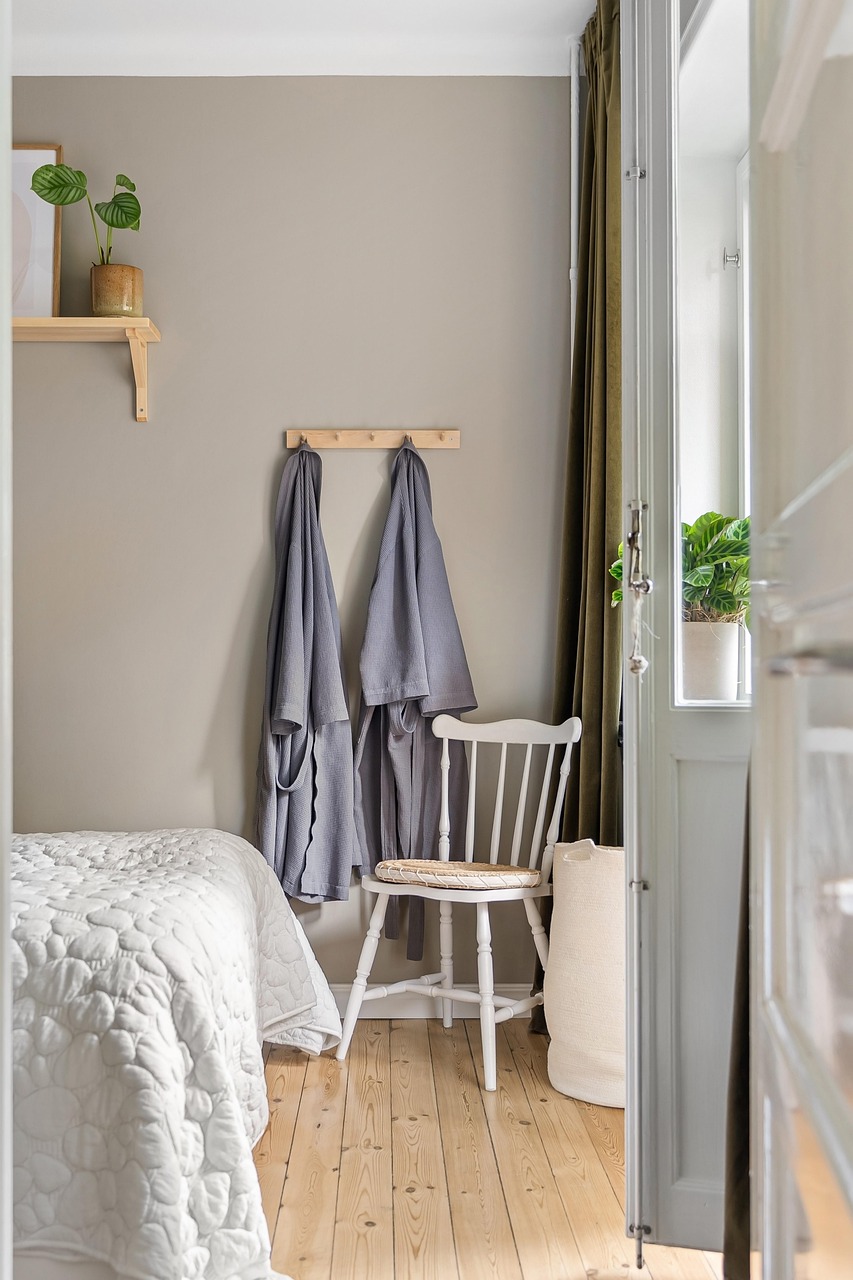
The bed takes up most of the visual space in a bedroom, so sage bedding changes the feel of the room faster than paint does — and you can undo it on laundry day. Washed linen or cotton in a soft sage gives you a large, gently rumpled block of color, and because the fabric folds, you get several shades of the same green for free as light falls across it.
2. Paint one wall behind the bed
If you want color on the walls but do not want to commit to four of them, the wall behind the headboard is the right one to choose. It frames the bed, it is the wall you see least of when you are lying in it, and it gives the room a clear focal point. Take the color right up to the ceiling rather than stopping at a picture rail — the uninterrupted run is what makes it feel intentional.
3. Go darker than you think for a cocooning effect
Pale sage on all four walls can occasionally read as slightly institutional — think waiting room rather than retreat. A deeper, grayer sage does the opposite: it pulls the walls in and makes the room feel enclosed and safe, which is exactly what you want in a space for sleeping. This works best in bedrooms that already get decent daylight.
4. Pair it with warm wood to stop it feeling cold
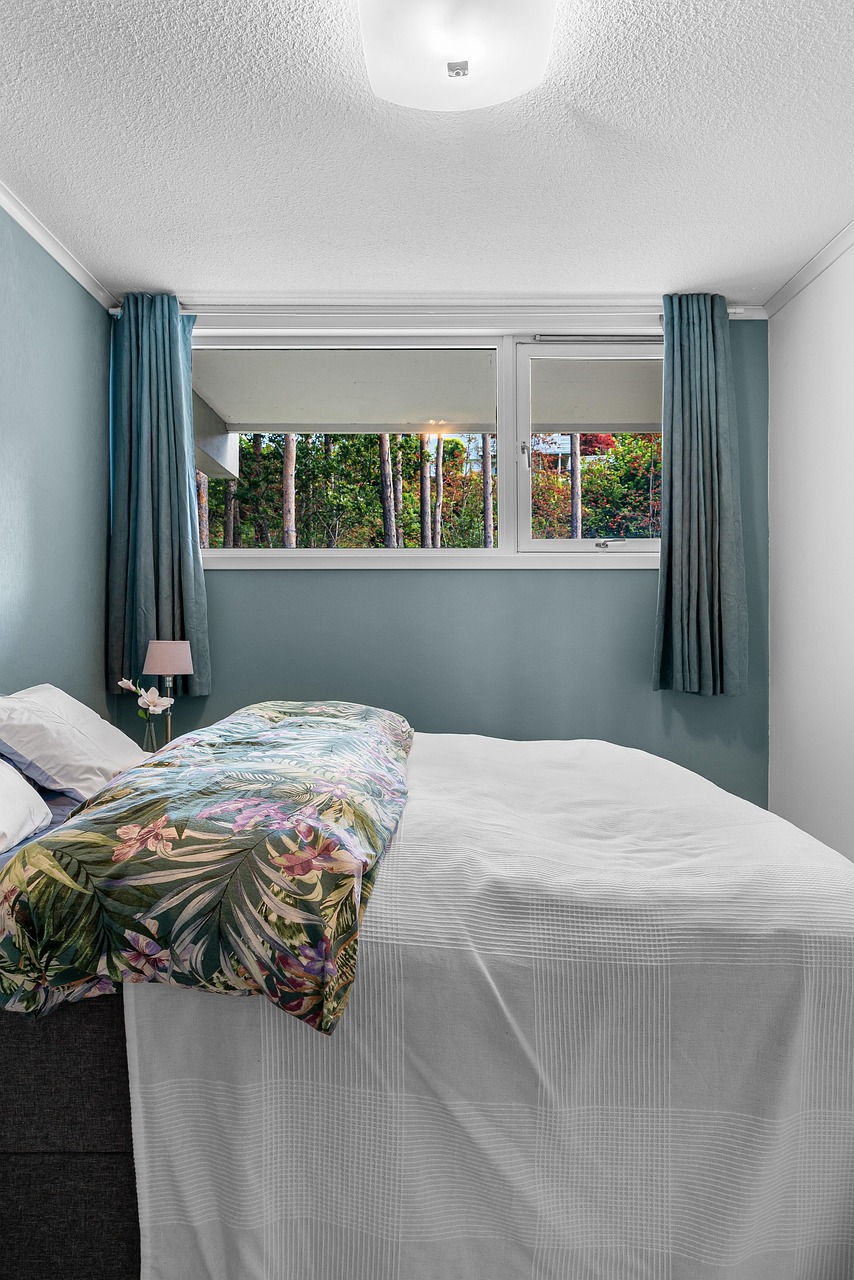
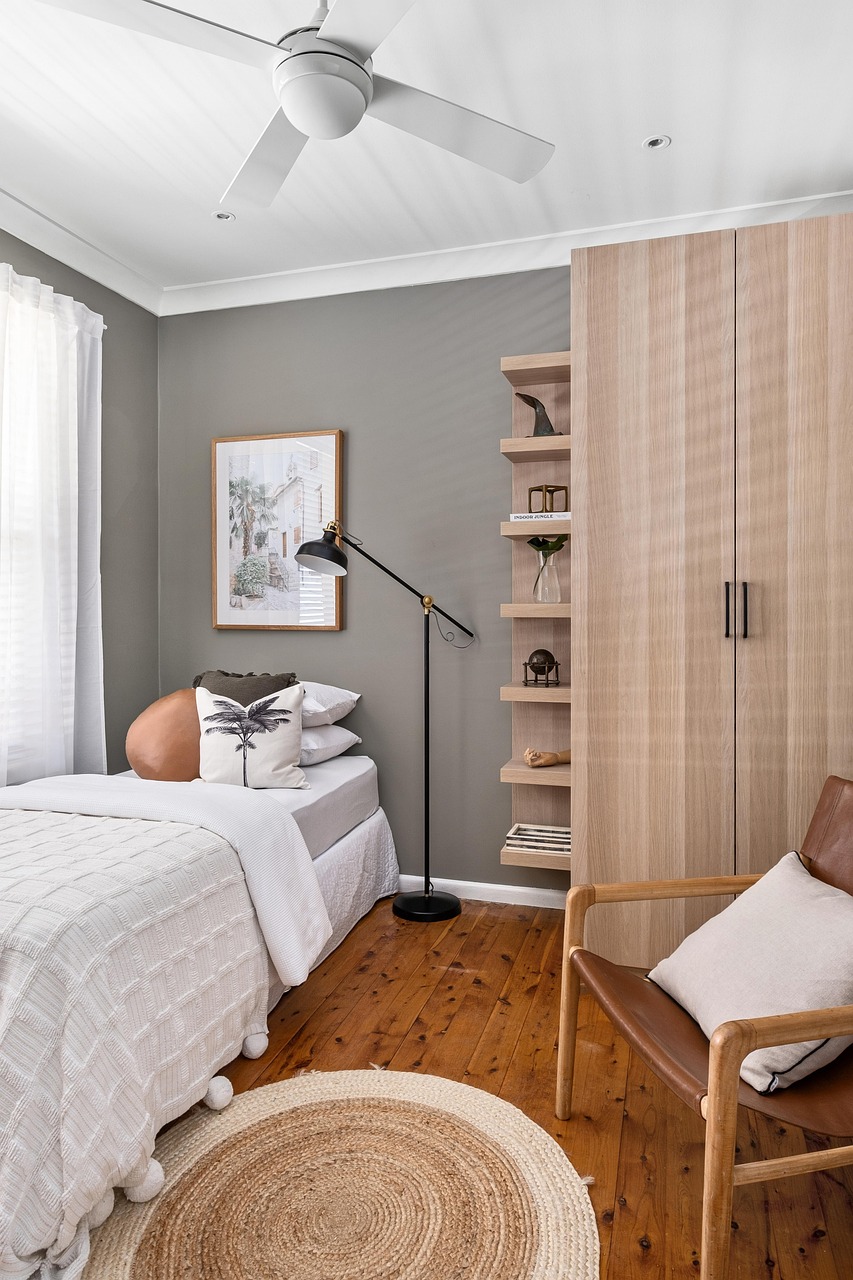
This is the single most important tip on the list. Sage has a gray base, and gray plus green with nothing warm to balance it can tip into chilly very quickly. Oak, walnut, rattan, cane and even a warm terracotta lamp base all pull the scheme back. If your bedroom furniture is white or cool gray, add warmth through a wooden stool, a jute rug or a rattan basket before you decide the green is not working.
5. Use layered lighting instead of one ceiling light
Sage green looks completely different under warm light than under cool light, and a single overhead bulb will flatten it. Two bedside lamps and a warm 2700K bulb will do more for the color than an extra coat of paint. If you can, add something at a third height — a small lamp on a dresser, or a wall sconce — so the room has pools of light rather than one flat wash.
6. Bring in real plants to echo the green
Sage is a green pulled from nature, so it sits beautifully next to living foliage — and the contrast between the muted wall and the more saturated leaves makes both look better. Bedrooms tend to be lower light than the rest of the house, so choose accordingly: pothos, snake plant, ZZ plant and peace lily all cope with a shady corner.
7. Try an upholstered sage headboard
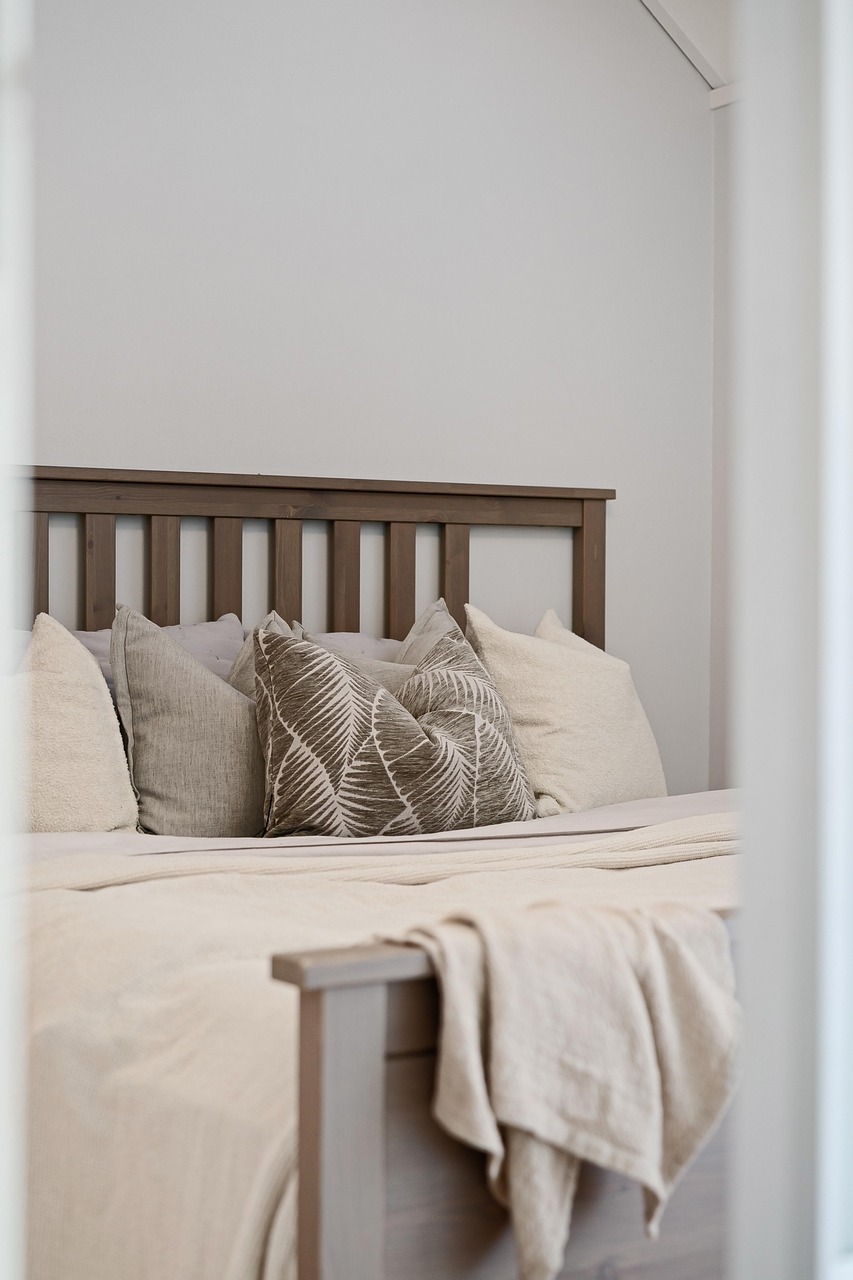
A fabric headboard in sage gives you the color, a soft texture and something to lean against, all in one object. Because it sits at eye level when you walk into the room, it does the job of an accent wall while taking up almost no floor space — a genuinely useful option in a rented room where painting is not allowed.
8. Keep the ceiling and trim warm white
A brilliant blue-white ceiling above sage walls makes the green look gray and slightly dirty. A warm white — something with a drop of yellow or a hint of the wall color mixed in — keeps everything in the same family. This is a small decision that has an outsized effect, and it is the one most people skip.
9. Add brass or antique gold for a little lift
Sage green and warm metals are a reliably good pairing. Brass drawer pulls, an aged gold picture frame, a brass lamp base — these small warm glints stop the room from becoming entirely matte and muted. Keep it restrained: two or three metal moments in a bedroom is plenty.
10. Layer several textures in the same green
A tonal room lives or dies on texture. If everything in your bedroom is sage and everything is smooth cotton, the room will look flat no matter how good the color is. Mix a chunky knit throw, a linen duvet, a velvet pillow and a wool rug and the same green will read as layered and expensive. Touch, not contrast, is what makes a muted scheme work.
11. Finish with soft window treatments
Full-length curtains in a soft linen — sage, cream or oatmeal — soften the hard line of the window and absorb sound, which genuinely helps a bedroom feel calmer. Hang the rod higher and wider than the window itself. It makes the ceiling look taller and the window look larger, and it costs nothing extra beyond a slightly longer curtain.
Sage green pairings at a glance
| Pair with | Result | Watch out for |
|---|---|---|
| Oak and rattan | Warm, natural, easy | Nothing — this is the safe default |
| Cream and oatmeal | Soft and quietly layered | Can go bland without texture |
| Brass and antique gold | Slightly richer, more finished | Too much reads fussy |
| Black accents | Crisp and modern | Keep it to small details only |
| Terracotta and clay | Warm and earthy | Needs one neutral between them |
| Cool gray | Risky | Often reads cold and flat |
A simple order to work in
- Change the bedding first — biggest visual shift, lowest cost, fully reversible.
- Add one warm wood object so the green has something to lean on.
- Sort the lighting: two lamps, warm bulbs.
- Live with it for two weeks before you buy paint.
- Then paint the headboard wall if you still want more.

Frequently asked questions
Is sage green good for a north-facing bedroom?
It can be, but choose carefully. North light is cool and blue, which pushes a gray-green even grayer. Look for a sage with a visible yellow or olive undertone rather than a blue one, and be generous with warm wood and warm bulbs to compensate.
Does sage green work in a small bedroom?
Yes. Muted mid-tones blur the edges of a room rather than defining them, which tends to make a small space feel larger than sharp white walls with dark furniture. Painting the walls and trim the same sage removes the visual breaks entirely and is a well-worn trick for small rooms.
What bedding color goes with sage green walls?
Cream, oatmeal, warm white and undyed linen are the easiest. If you want more depth, try a soft clay or rust in pillows rather than in the duvet itself — it adds warmth without competing with the walls.
Can I use sage green if I rent?
Easily. Bedding, an upholstered headboard, curtains, pillows, a rug and art will get you most of the effect with nothing attached to the walls. An upholstered headboard in particular does almost the same visual job as an accent wall.
Where to start
Sage green is forgiving, but it has one real failure mode: going cold. If your room ever feels flat rather than calm, the answer is almost always more warmth — wood, brass, a warmer bulb — rather than a different green.
Browse more in Bedroom, or see how soft color works elsewhere in the house with our butter yellow living room ideas and spa-like bathroom ideas.