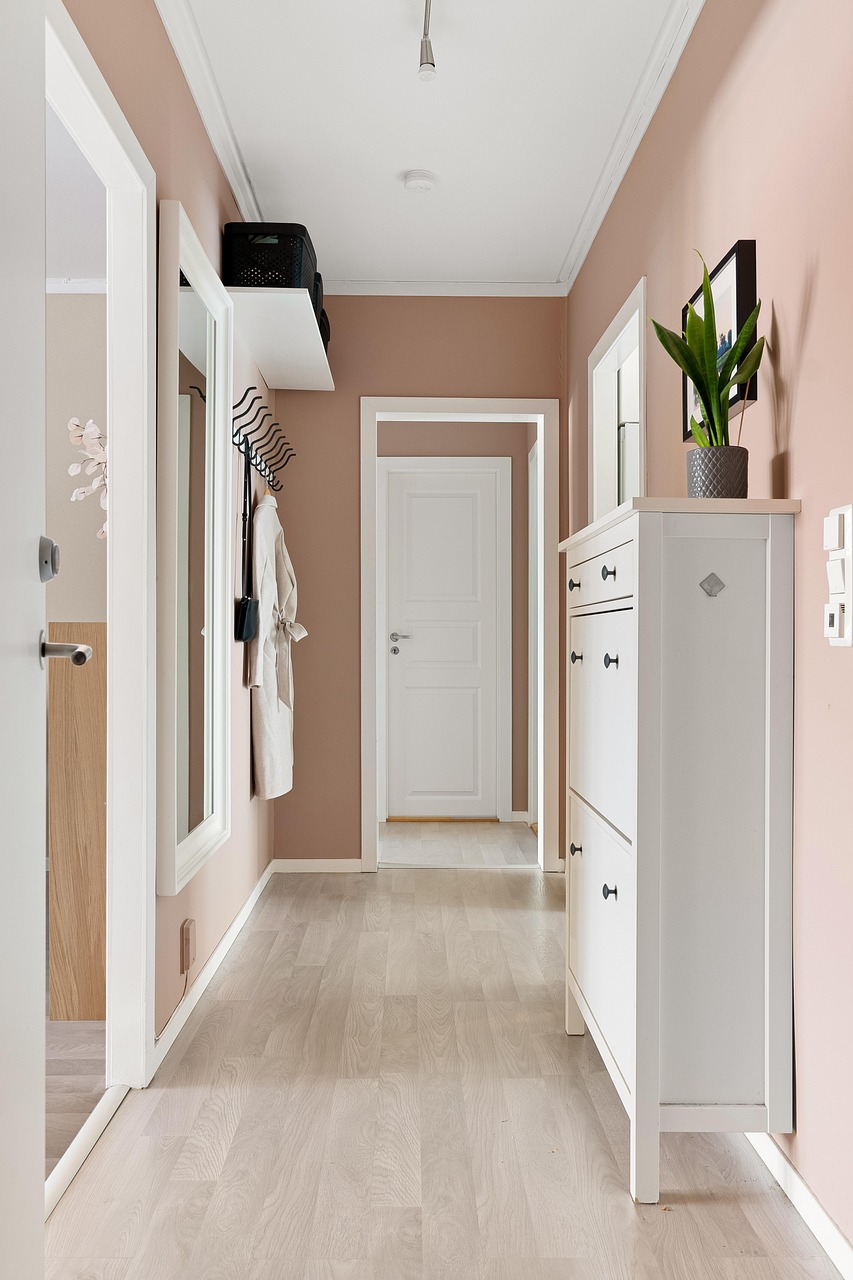
An entryway has to do more per square foot than any other space in a house. It absorbs coats, shoes, bags, keys and mail; it sets the tone for everything a visitor sees next; and it is usually the narrowest, darkest part of the floor plan. Most entryways fail not because they are ugly but because nobody ever decided where the shoes go.
These ten ideas cover both halves of the problem — the practical storage that keeps it from silting up, and the details that make walking in feel like arriving somewhere.
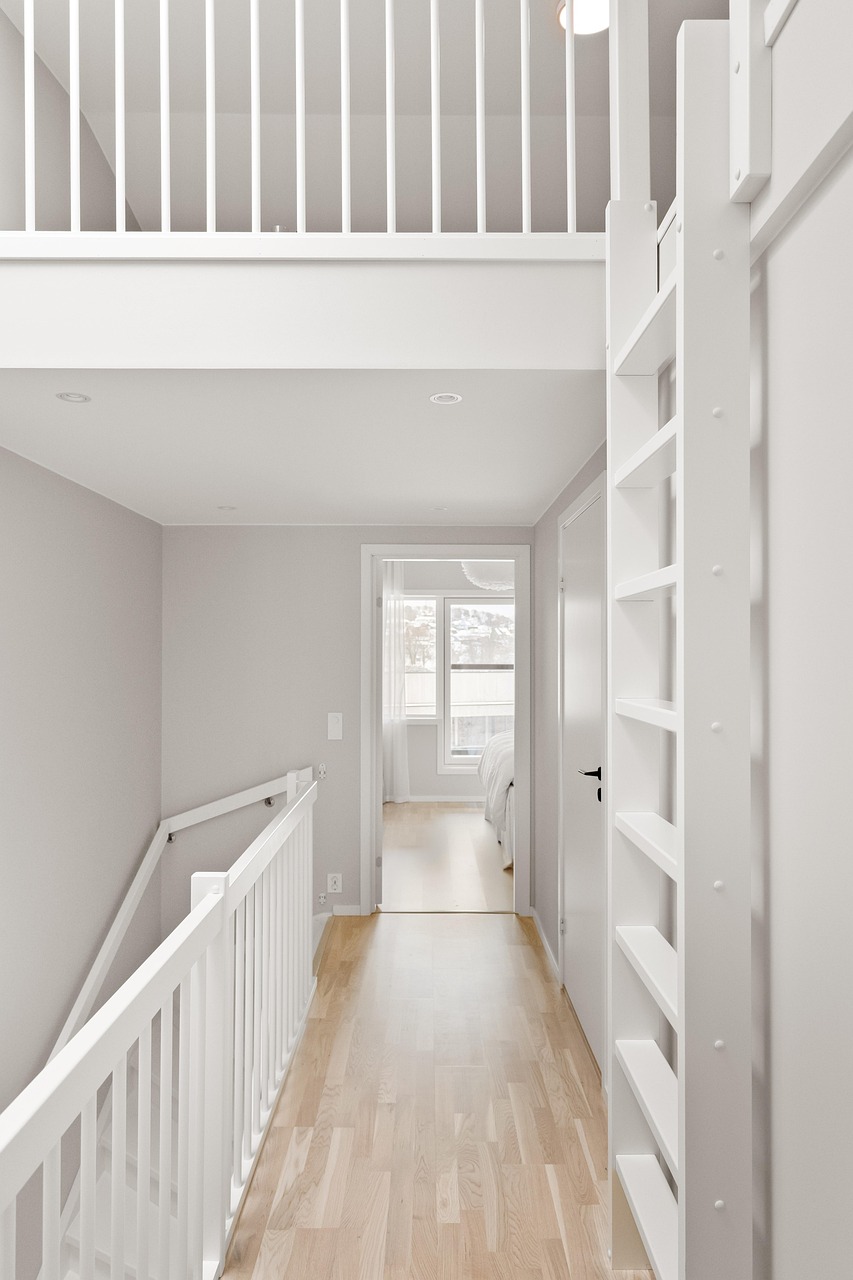
1. Decide where the shoes go, first
Every other decision depends on this one. If there is no designated shoe spot, shoes will occupy the floor permanently and no amount of styling will rescue the space. A low bench with a shelf underneath, a slim shoe cabinet, or a couple of baskets will do it. Count how many pairs actually accumulate on a bad week and size the solution for that number, not for the tidy version you are imagining.
2. Hang a mirror opposite or beside the door
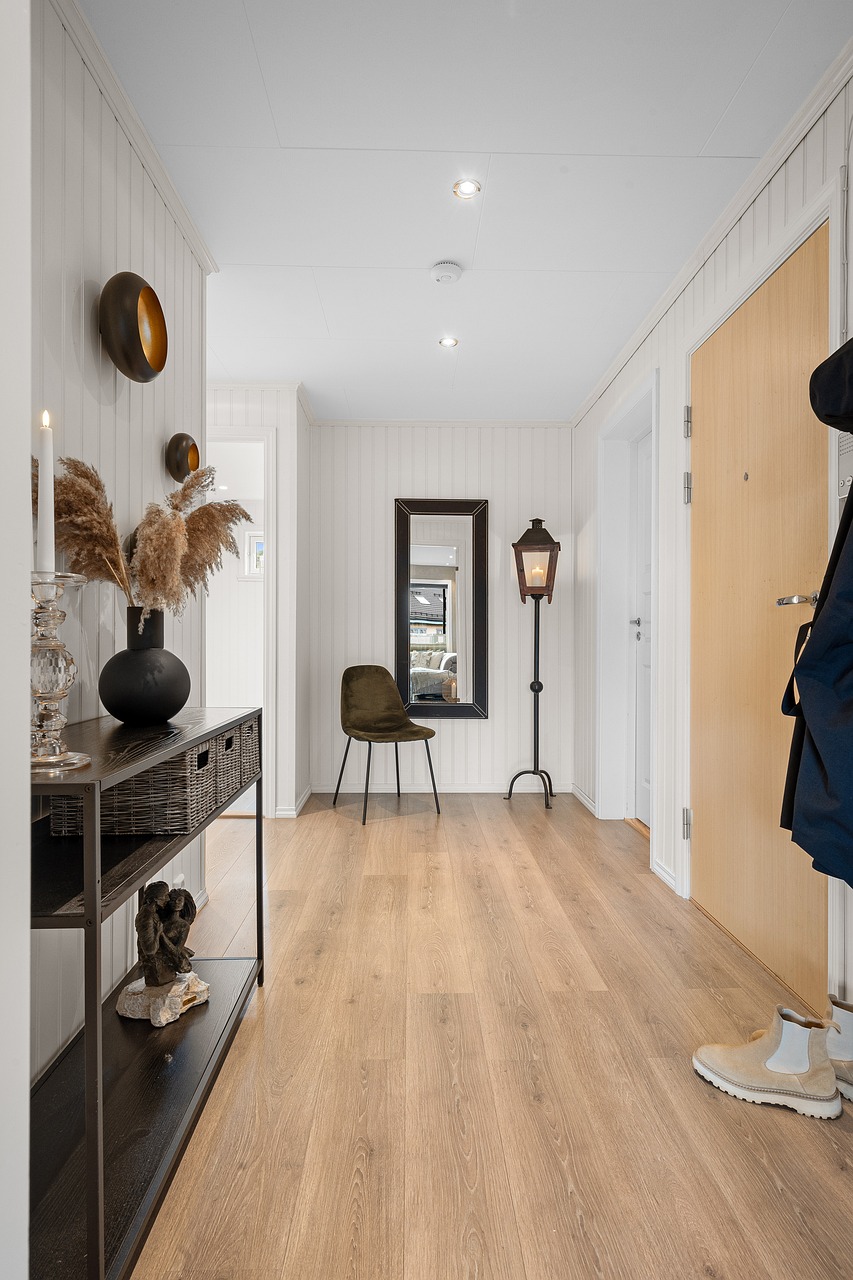
A mirror in an entryway earns its place twice over. It bounces whatever daylight comes through the door deeper into the hall, which is usually the darkest part of the house, and it gives you somewhere to check yourself on the way out. A large one on the long wall of a narrow hallway will visibly double the apparent width.
3. Use a slim console instead of a full table
You need a surface for keys, mail and a lamp, but you do not need much depth. A console 10 to 12 inches deep gives you all of that while leaving the walkway clear. In genuinely tight hallways, a wall-mounted floating shelf achieves the same thing with no legs to walk into and no footprint at all.
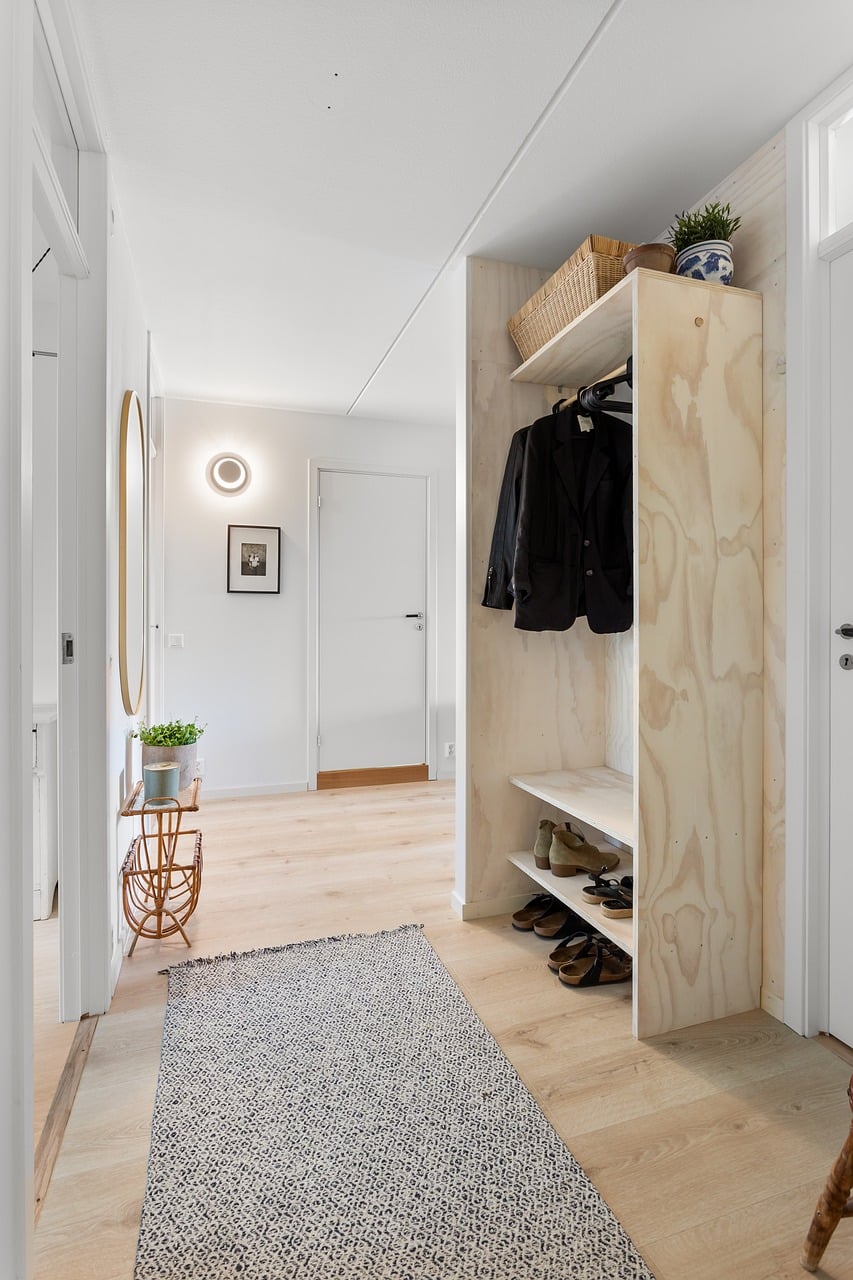
4. Add a runner rug
Hallways are echoey by nature — hard floors, close walls, a door that slams. A runner absorbs that, adds warmth underfoot at the exact moment you walk in, and leads the eye along the space rather than stopping it at the first door. Choose something flat-weave and washable, because this is the dirtiest floor in the house. Leave a few inches of floor visible on each side.
5. Put in hooks at two heights
A row of hooks holds far more than a coat rack and takes up no floor. Fit them at adult height and add a second lower row if there are children in the house — coats end up on the floor almost entirely because the hooks are out of reach. Leave one hook permanently empty for guests.
6. Fix the lighting
Entryways are routinely lit by one dim bulb in a shade that has been there since the house was built. A warm bulb makes the biggest difference for the least money; a small lamp on the console adds a second, lower layer that is far more welcoming than an overhead alone. If you only ever change one light fixture in your home, this is the one people notice.
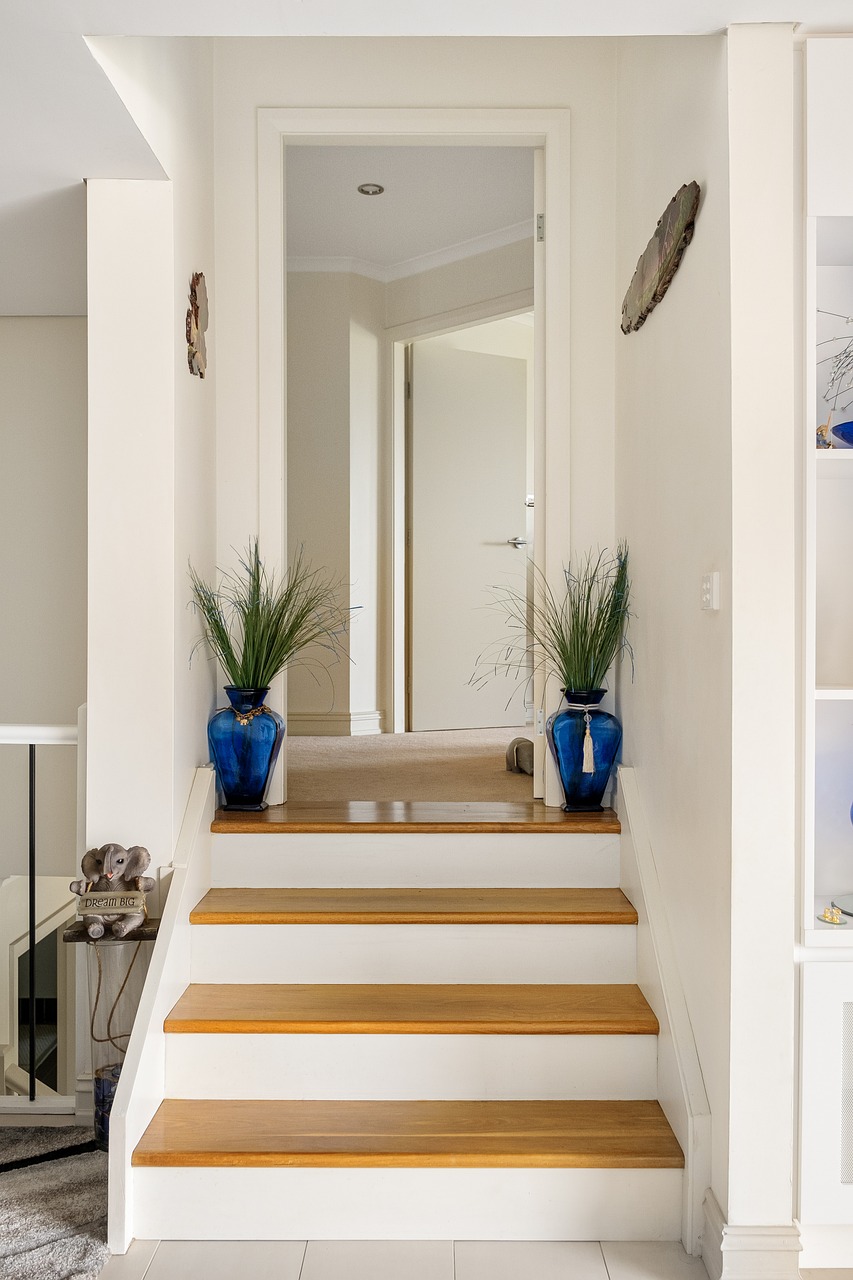
7. Give the small stuff a bowl or a tray
Keys, sunglasses, loose change, headphones and dog leashes are what turn a console into a dumping ground. One shallow bowl or a small tray contains all of it and takes it from clutter to a styled detail. The rule that makes it stick: if it lives in the bowl, it always lives in the bowl.
8. Paint it a shade darker than you expect
This is counterintuitive, but pale paint in a dark, windowless hall often just looks gray and slightly grubby. A deeper, warmer color — a clay, a muted green, a soft charcoal — reads as deliberate and makes the brighter rooms you walk into feel brighter by contrast. Hallways are also the easiest room to be bold in, because you pass through rather than sit in them.
9. Hang art down the length of the wall
A narrow hallway is an ideal gallery, because you view the pieces one at a time as you walk. Keep the frames consistent and hang them on a single center line at about 57 to 60 inches so the eye follows a level run. This turns a corridor from a space you pass through into something with a bit of interest to it.
10. Add one living thing and one scent
A plant and a diffuser are the two smallest additions with the largest effect on how it feels to walk in. Scent in particular registers before you have consciously looked at anything. Hallways are usually low light, so choose a tolerant plant — snake plant, ZZ plant or pothos — and keep it off the floor if the space is tight.
Matching the idea to the space you have
| If your entry is… | Prioritize | Skip |
|---|---|---|
| Very narrow (under 3 feet) | Wall hooks, floating shelf, large mirror, runner | Console tables, benches, floor plants |
| Dark and windowless | Warm bulbs, table lamp, mirror, deeper paint color | Pale gray paint, light-hungry plants |
| Open to the living room | Runner to define the zone, closed storage | Anything that visually blocks the sightline |
| A proper entry hall | Bench with storage, gallery wall, statement light | Nothing — use the space |
Frequently asked questions
How do I decorate an entryway with no floor space at all?
Work entirely on the walls. A large mirror, a row of hooks, a floating shelf at waist height for keys, and a runner on the floor will give you every function of a full entryway without anything protruding more than about 6 inches.
What is the right height to hang an entryway mirror?
Center it at roughly eye level for the household, usually around 59 to 63 inches from the floor. If it sits above a console, leave about 6 to 10 inches between the top of the console and the bottom of the mirror so the two read as a group.
Should an entryway match the rest of the house?
It should relate, not match. Keeping the flooring and trim continuous with the adjoining rooms makes the whole floor feel larger, but the wall color can happily be bolder — hallways are a good place to take a risk you would not take in a living room.
How do I stop the entryway getting cluttered again?
Give every category of item one specific home — a bowl for keys, hooks for coats, a basket for shoes, a drawer for mail — and make sure each one is slightly larger than you think you need. Clutter accumulates in the gaps where nothing has been assigned.
Where to start
Solve the shoes and change the bulb. Those two between them account for most of the difference between an entryway that feels welcoming and one that feels like a place things pile up.
See more in Entryway, or carry on with our small kitchen ideas and cozy home office ideas.